
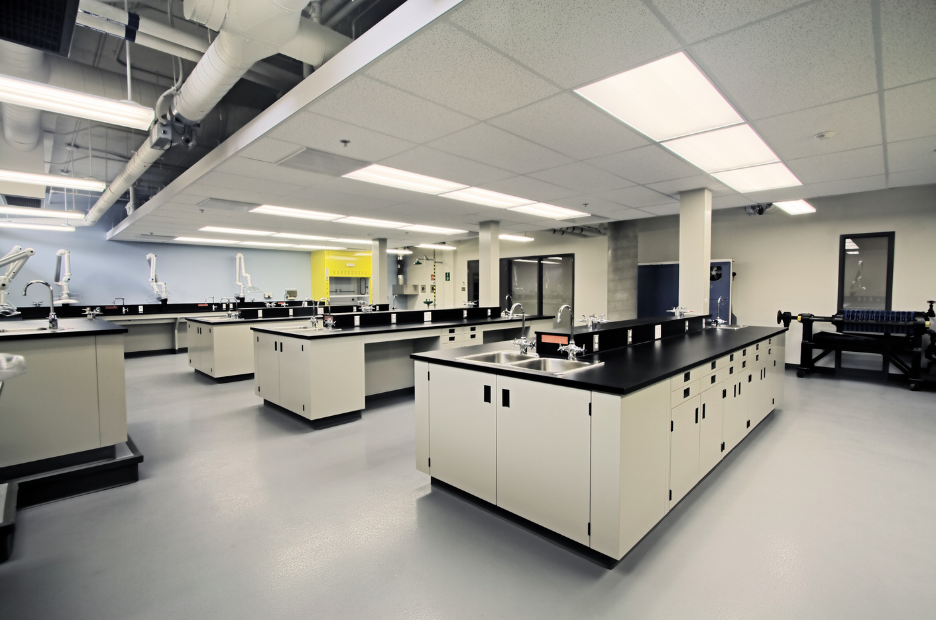
Relocating a laboratory isn’t something most organizations plan for frequently. As operations grow, research needs evolve, leases change or facilities no longer meet an organization’s requirements, moving to a new space can become the right next step.
A laboratory relocation, however, is far more complex than a typical commercial move.
Sensitive instruments, specialized equipment, regulated materials, temperature-sensitive samples and critical data can all require specific handling and careful coordination. At the same time, organizations must consider one of the biggest challenges of any laboratory move: minimizing disruption to ongoing operations.
With detailed planning and an experienced relocation and logistics team, even a complex laboratory move can be approached strategically while protecting valuable assets and helping operations resume as efficiently as possible.
What Makes a Laboratory Relocation Different?
In a traditional office move, much of the process revolves around furniture, technology, files, and other standard workplace assets. Laboratories introduce an entirely different set of considerations.
Depending on the type of facility, a laboratory may contain fragile or calibrated instruments, chemicals, biological materials, temperature-sensitive samples, specialized furniture, high-value equipment, and proprietary or sensitive data.
Many of these assets cannot simply be packed into standard boxes and loaded onto a truck. Certain equipment may require specialized packing or crating, careful disassembly and reassembly, specific transportation conditions, or coordination with manufacturers and qualified technicians.
That means a successful laboratory relocation starts long before moving day.
1. Start With Detailed Pre-Move Planning
Before anything is packed, develop a comprehensive inventory of the laboratory’s equipment, furniture, materials, and other assets.
Identify items that may require special handling, temperature controls, added security, regulatory documentation or coordination with an equipment manufacturer or service provider. This is also an ideal opportunity to identify expired reagents, outdated samples, damaged equipment and other materials that do not need to make the move.
Reducing unnecessary inventory can simplify the relocation, lower transportation requirements, and prevent teams from spending time packing and unpacking items that are no longer needed.
Just as importantly, establish clear responsibilities among laboratory personnel, facility managers, equipment vendors, IT teams, movers and other stakeholders. A detailed timeline should account for more than moving day itself, including equipment shutdown and disassembly, packing, transportation, installation, testing and calibration.
The goal is to understand what needs to happen, who is responsible for it, and when it needs to happen before the first piece of equipment leaves the facility.
2. Prioritize Specialized Packing and Transportation
Laboratory equipment often requires significantly more protection than standard office furniture or technology.
Depending on the asset, appropriate packing solutions could include anti-static materials, custom foam, shock-absorbing protection, specialized wrapping, or custom-built crates. A detailed labeling and inventory system is also essential so assets can be tracked throughout the move and efficiently placed at the destination.
Complex instruments may require qualified technicians or manufacturer representatives to handle disassembly, preparation, reassembly or calibration. Those requirements should be identified early, so the appropriate professionals can be incorporated into the relocation schedule.
Laboratories moving chemicals, biological materials or other regulated substances may face additional requirements. Transportation plans should account for the specific materials involved and all applicable local, state, federal or international regulations, which may include requirements established by agencies or organizations such as the U.S. Department of Transportation (DOT), Occupational Safety and Health Administration (OSHA), Environmental Protection Agency (EPA) or International Air Transport Association (IATA).
3. Protect IT Systems and Critical Data
Some of a laboratory’s most valuable assets may never be loaded onto a moving truck.
Research files, patient information, proprietary data, instrument databases, specialized software and other digital resources can be essential to a laboratory’s operations. Protecting them should be part of the relocation plan from the beginning.
Before the move, critical data should be securely backed up and those backups verified. Organizations should also review appropriate security, access and encryption measures for sensitive information.
Create a detailed plan for disconnecting, moving, reconnecting and testing computers, servers, instruments and other connected systems. Coordinate the sequence with the physical move so the appropriate infrastructure is available when equipment reaches the new facility.
Careful IT planning can help reduce downtime and avoid a situation where physical equipment is ready to operate, but the systems supporting it are not.
4. Plan for Installation Before Moving Day
Getting everything safely through the doors of the new laboratory isn’t the finish line.
Before the move begins, develop a floor plan identifying where major equipment, laboratory furniture and other assets will be placed. Confirm that the new facility has the necessary power, network connections, ventilation, utilities, clearances and other infrastructure required by the equipment being installed.
The relocation schedule should also account for unpacking, assembly, installation, testing and any necessary calibration. When manufacturer representatives or specialized service providers are required, coordinate their availability in advance rather than waiting until equipment arrives.
Once installation is complete, conduct a final walkthrough against the inventory and relocation plan. This provides an opportunity to identify missing components, misplaced equipment, damage, installation concerns or other issues before the laboratory returns to full operation.
Prepare for Your Next Laboratory Move
Laboratory relocations require a level of coordination and precision that goes well beyond a typical commercial move. Equipment, regulated materials, sensitive data, specialized infrastructure and operational downtime all have to be considered as part of a larger relocation strategy.
The earlier that planning begins, the better positioned an organization is to identify potential challenges and coordinate the people, equipment, and resources needed for a successful move.
OneRelo Worldwide provides comprehensive relocation and logistics solutions for businesses and organizations, including laboratory and specialized commercial relocations. With branch locations in Reno, Nevada; Spokane, Washington; and Boise, Idaho, OneRelo serves clients across the country and around the world, developing customized relocation solutions around each organization’s facilities, assets, schedules, and operational needs.
Whether your laboratory move is across town, across the country, or across international borders, OneRelo can help coordinate the logistics of getting you there.
Planning a laboratory relocation? Contact OneRelo Worldwide to discuss the logistics of your upcoming move.


