
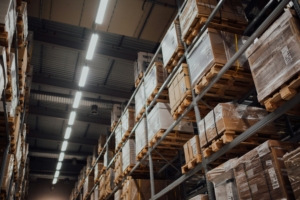
As businesses grow, warehousing and logistics often become more complicated. More inventory means more space, more shipments require additional coordination, and increased volume can put greater demands on employees and internal resources.
At some point, many businesses face an important question: Does it still make sense to manage warehousing and logistics in-house, or is it time to outsource?
Keeping these operations internal can provide direct control over inventory, storage and shipping, but it also comes with significant responsibilities. Warehouse space, equipment, technology, staffing, inventory management and transportation coordination all require time and resources.
For businesses reaching the limits of their current operations, partnering with a third-party logistics (3PL) provider can offer a more flexible way to manage those demands.
When Does Outsourcing Make Sense?
There is no single point when every business should outsource its warehousing and logistics. However, growing storage needs, increasing fulfillment demands, rising overhead costs, or limited internal resources can all be signs that it is worth considering.
Here are some of the key benefits businesses can gain by outsourcing.
Lower Overhead Costs
Operating a warehouse involves much more than paying for storage space. Businesses may also need to budget for equipment, utilities, maintenance, insurance, inventory management systems, and employees to manage day-to-day operations.
Outsourcing can reduce the need for those significant investments. Rather than maintaining an entire facility and workforce, businesses can utilize the space and logistics services they need as their operations evolve.
Greater Scalability
Inventory and fulfillment needs are rarely static. A growing business may suddenly require additional warehouse capacity, while seasonal businesses can experience significant fluctuations throughout the year.
A 3PL provider can offer warehousing solutions that adjust as those needs change. Businesses can increase or decrease capacity without having to continually expand, relocate or maintain warehouse space that may not always be necessary.
Improved Operational Efficiency
Receiving shipments, organizing inventory, picking and packing orders, coordinating transportation and managing outbound shipments can require substantial time and attention.
A logistics provider already has processes, personnel and resources dedicated to these functions. Outsourcing can streamline day-to-day operations and help businesses manage increasing volume without placing additional demands on their internal teams.
More Time for Core Business Priorities
Warehousing and logistics may be essential to a company’s operations, but that does not necessarily mean they should consume its internal resources.
When employees spend significant time managing inventory, shipments, and warehouse operations, they have less time to focus on areas such as sales, customer relationships, product development, and business growth.
Outsourcing allows a specialized provider to handle logistics while internal teams focus their attention where they can have the greatest impact.
Access to Logistics Technology
Modern warehousing increasingly relies on technology to provide visibility and organization throughout the logistics process. Inventory tracking, barcode scanning, shipment monitoring, and cloud-based reporting can help businesses understand where products are and how inventory is moving.
Working with a 3PL provider can provide access to these capabilities without requiring a business to purchase, implement, and maintain every system itself. Better inventory visibility can also make it easier to monitor orders and identify potential issues.
Reduced Staffing and Management Demands
An in-house warehouse requires people to operate it. Businesses may need to recruit, train, schedule and manage employees specifically for warehousing and logistics, with staffing requirements increasing alongside volume.
Outsourcing shifts much of that responsibility to the logistics provider. Businesses can access trained personnel and established logistics processes without having to build and manage an increasingly complex warehouse operation themselves.
Is It Time to Outsource Your Warehousing and Logistics?
The right approach depends on your company’s inventory, order volume, budget, available space, and plans for growth.
If warehousing is taking up too much physical space, logistics responsibilities are pulling employees away from their primary roles, fulfillment demands are becoming difficult to manage, or your business needs more flexibility to grow, it may be time to explore outsourcing.
The goal is not simply to move inventory somewhere else. The right logistics partnership should create a more efficient operation that can support the business today while providing room to adapt as its needs change.
Looking for a reliable partner for your warehousing and logistics needs? Contact OneRelo Worldwide to discuss how outsourced logistics solutions can support your business.


